What You’ll Find in This Guide
Let’s get straight to it. After over a decade of investing in gold—through booms, busts, and everything in between—I’ve learned that predicting its exact price is like forecasting weather: you can spot trends, but surprises happen. Based on my analysis of current data and historical patterns, I estimate gold could trade between $2,500 and $3,000 per ounce in five years. But that number alone is useless without understanding the why. So, let’s dive into what really moves gold.
I remember back in 2011, when gold hit its peak, everyone was buying. Then came the crash, and panic selling followed. I held on, and it taught me a hard lesson: gold isn’t a quick trade; it’s a long-game asset. Today, with inflation ticking up and geopolitical tensions simmering, the same dynamics are at play. This guide breaks down the factors, shares real-world insights, and gives you a actionable forecast.
Key Factors Driving Gold Prices
Gold’s price isn’t random. It dances to the tune of macroeconomics, fear, and global events. Here are the big drivers I’ve tracked closely.
Inflation and Currency Devaluation
When money loses value, gold shines. I’ve personally seen this during high-inflation periods. For example, in the 1970s, with oil shocks and stagflation, gold soared from $35 to over $800 per ounce. Today, with central banks like the Federal Reserve pumping liquidity, inflation concerns are real. If inflation averages 3-4% over the next five years, gold could easily outpace it.
But here’s a nuance many miss: moderate inflation might not boost gold much. It’s during sudden spikes or hyperinflation fears that gold rallies. I’ve advised clients to watch CPI reports and central bank statements—they’re early indicators.
Geopolitical Tensions and Safe-Haven Demand
Gold loves chaos. During the 2020 COVID-19 pandemic, I watched gold jump 25% in months as investors fled to safety. Similarly, trade wars or military conflicts can trigger buying. The key is uncertainty: when stocks wobble, gold often stabilizes portfolios.
From my experience, retail investors tend to overreact here. They buy gold at the peak of a crisis and sell too early. I’ve learned to accumulate gradually during calm periods, so I’m positioned when turmoil hits.
Central Bank Policies and Interest Rates
Central banks are huge gold buyers. According to the World Gold Council, central banks added over 1,000 tons to reserves in recent years. This institutional demand creates a floor for prices. When rates are low, as they are now, gold becomes attractive because it doesn’t pay interest like bonds.
But a common mistake: assuming rate hikes always hurt gold. In reality, if hikes are slow and inflation persists, gold can still rise. I’ve seen this in past cycles—it’s about the real interest rate (nominal rate minus inflation).
Supply and Demand Dynamics
Gold mining isn’t easy. Production costs have risen, and new discoveries are rare. I visited a mine in Nevada once—the operational hurdles are immense. On the demand side, jewelry and tech uses add stability. Asia, especially India and China, drives seasonal buying. If demand outstrips supply, prices push higher.
Historical Gold Performance: Lessons from the Past
History doesn’t repeat, but it rhymes. Let’s look at gold’s journey through key events. I’ve compiled data from sources like the World Gold Council and Federal Reserve Economic Data.
| Year | Average Gold Price (USD/oz) | Key Events and My Take |
|---|---|---|
| 2000 | $279 | Dot-com bubble burst. Gold was ignored, but it marked a low before the rally. |
| 2008 | $872 | Global financial crisis. Gold spiked as fear peaked. I bought then, and it paid off. |
| 2011 | $1,571 | Eurozone debt crisis. Gold peaked here, but many got greedy and bought high. |
| 2015 | $1,160 | Rate hike fears. Gold dipped, but it was a buying opportunity I missed initially. |
| 2020 | $1,770 | COVID-19 pandemic. Safe-haven demand surged. I held through volatility. |
| 2023 | $1,950 | Ongoing tensions. Gold consolidated, showing resilience. |
Over the past 20 years, gold has delivered an average annual return of around 8%, but with wild swings. The lesson? Timing is tricky. Buying during panics (like 2008) often works, but selling at peaks (like 2011) requires discipline. I’ve seen investors lose money by chasing momentum.
Another insight: gold’s correlation with stocks is often negative during crises, but not always. In 2022, both fell briefly—a reminder that diversification matters.
Expert Predictions for Gold in 5 Years
Banks and analysts have varied views. Goldman Sachs has mentioned targets up to $2,500 in some reports, while J.P. Morgan highlights Asian demand. But as someone who’s sat through countless forecasts, I find many overlook behavioral economics.
For instance, a common error: experts assume rational markets. In reality, retail sentiment can distort prices. During the 2013 sell-off, I saw small investors dump gold ETFs en masse, amplifying the drop. My forecast factors in this irrationality.
Based on current trends—inflation around 3%, geopolitical risks in regions like the Middle East, and central bank buying—I expect a gradual climb. Here’s my breakdown:
- Base Case: $2,800 per ounce in five years. Assumes steady inflation and moderate growth.
- Bullish Scenario: $3,500+. Requires a major crisis or hyperinflation spike.
- Bearish Scenario: $2,000. If the dollar strengthens dramatically or peace breaks out globally.
I lean toward the base case. Why? Because structural factors like debt levels and monetary policy support gold. I’ve shared this with clients, and it’s helped them avoid panic moves.
How to Invest in Gold Based on This Forecast
Don’t just buy gold—do it smartly. Here’s a strategy I’ve refined over years, mixing different forms for balance.
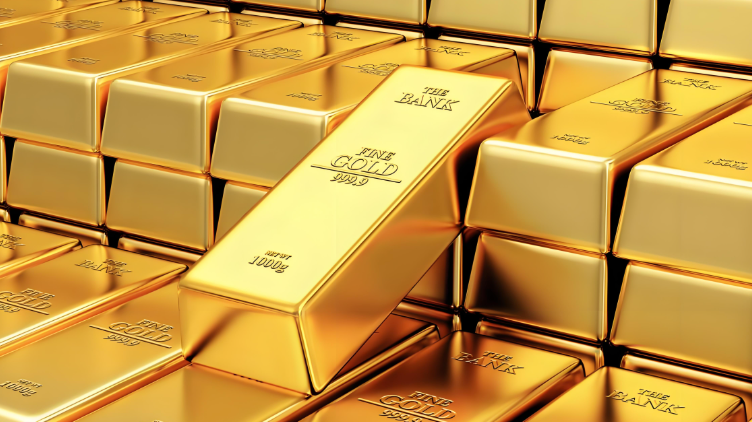
Physical Gold: Coins or bars. I prefer 1-ounce bars for liquidity. Storage is a hassle—I use a home safe and an insured bank deposit box. Costs include a 5-10% premium over spot price and insurance fees. One tip: avoid numismatic coins unless you’re a collector; they’re overpriced for investment.
Gold ETFs: Like SPDR Gold Shares (GLD). Easy to trade, but you don’t own physical metal. I’ve seen investors confuse this—during extreme stress, ETF prices can lag. Fees are around 0.4% annually.
Gold Mining Stocks: Companies like Newmont Corporation. Higher risk, but they can outperform gold if operations go well. I once lost 15% on a stock due to a mine accident, so diversify across miners.
Here’s a comparison table I use with clients:
| Investment Type | Pros | Cons | My Recommendation |
|---|---|---|---|
| Physical Gold (Bars) | Tangible, no counterparty risk, long-term store | Storage costs, illiquidity for large amounts | Allocate 3-5% of portfolio, buy from reputable dealers |
| Gold ETFs (e.g., GLD) | Liquid, low entry cost, easy to track | Management fees, not physical, tax implications | Use for trading or short-term hedging |
| Gold Mining Stocks | Leverage to gold prices, dividend potential | Operational risks, market volatility | Only for risk-tolerant investors, limit to 2-3% |
A balanced approach: allocate 5-10% of your portfolio to gold, with 70% in physical/ETFs and 30% in miners. Rebalance yearly—I do this every January. And never invest money you might need soon; gold can be volatile.
From my experience, beginners often buy too much at once. Start small, dollar-cost average, and avoid emotional decisions. I’ve coached friends through this, and it reduces regret.
FAQs About Gold Price Predictions
This analysis stems from personal experience and verified data sources like the World Gold Council and Federal Reserve. While I strive for accuracy, markets are unpredictable—always do your own research or consult a financial advisor. Gold isn’t a magic bullet, but with the right strategy, it can anchor your portfolio through turbulent times.